AHA Visit to Stratford-sub-Castle

On Friday 24th June we met our Blue Badge guide and old friend of the AHA Group, David Richards. He was in his usual good form for the planned visit to Stratford-sub-Castle.

We were there to learn about the roguish Pitt family and their connection with the old Rotten Borough of Old Sarum, which was only abolished by the Great Reform Act of 1832. He started by explaining the chequered history of Jack ‘Diamond’ Pitt who, after 3 very profitable periods working in colonial India both against and for the British East India Company, managed to acquire a huge uncut diamond. This very large diamond was sold to France to initially embellish Napoleon’s sword hilt. It was subsequently removed and placed in his coronation crown. The remains of the uncut diamond ended up in Russia as part of their crown jewels. At this time, Pitt turned his attention firstly to buying influence in the form of the Rotten Borough of Old Sarum and then to buying properties and farmland (a lot of it). Indeed, to this day, certain members of the Pitt Dynasty remain prominent landowners.

Diamond Pitt’s original elegant home, which he had built remains a sizeable property in Stratford-sub-Castle as do a few other old houses in the village. The village would remain (apart from post WW2 developments) largely recognisable to Pitt the Younger. The dynasty produced two prime ministers, both of whom relied upon the Rotten Borough system for their power and influence. During the walk around the village, we saw the site of the old Parliament tree under which at election times the few eligible electors would gather to bargain their votes, which usually went to the highest bidder. However, in the case of Old Sarum, Diamond Pitt had all the important votes in his grasp well in advance of any election.

Apparently, Pitt the Younger did not become Prime Minister in his twenties via talent alone. He knew how to fully exploit patronage to his personal advantage, being schooled in his corrupt ways by past generations of his family, who were extremely adept at the art. The old church was a delightful building, located close to glorious, thatched cottages and a few elegant houses which must have been built for wealthy families.

As usual, David was a complete master of his subject and was able to answer our many questions with humour and precise information. The tour lasted about two hours, by which time we were in need of some refreshments. Taking our leave from David, we journeyed to the next village Lower Woodford for lunch at the Wheatsheaf, thus concluding yet another very successful AHA outing.

Prepared by: Ron Bryan – AHA Organiser
Photography Group’s June Meeting

Evening

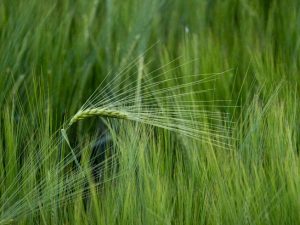
Cash Crop

The Group met at 18:00 on 21st June on a farm visit, arranged by Rosemary Crumplin, to Trinley Estate Farm hosted by the Estate Manager Mike Farrell.

Additional U3A members from the now defunct Birding and Natural History, the Lowings and the Kemps, also came along. The weather was idyllic and the light was excellent for photography.

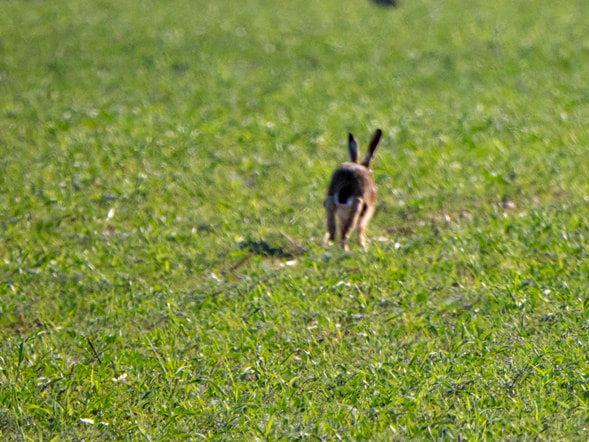
Hare

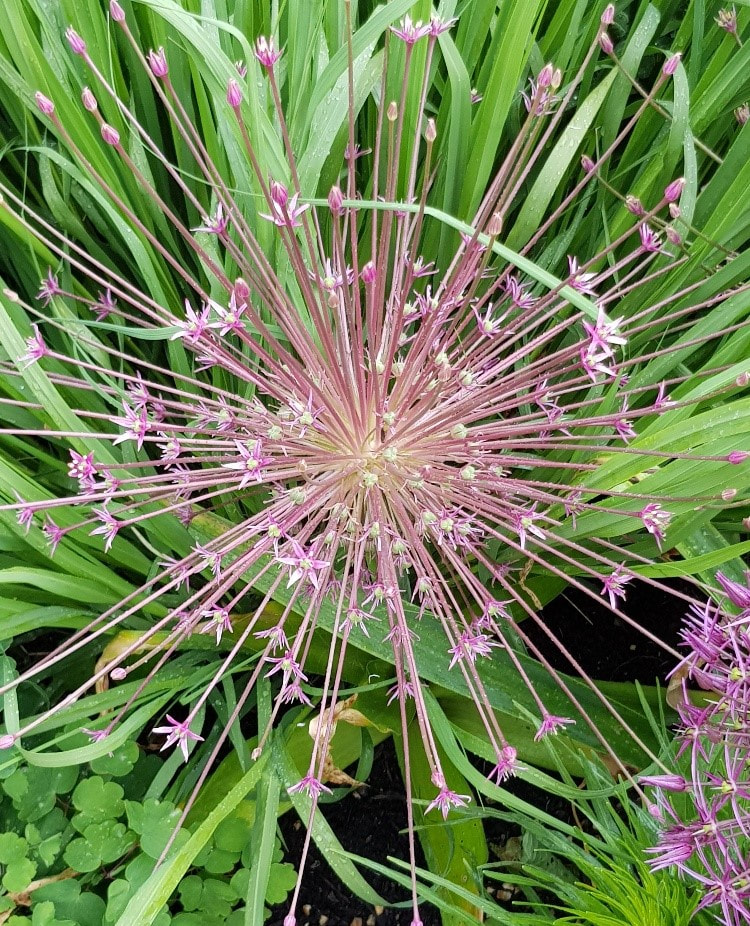
Thistle

The Estate is making concerted efforts to encourage wildlife by planting hedgerows, seeding areas with wild flowers, sunflowers, etc and water features to attract amphibians and dragon/damsel flies. It was very obvious that Mike Farrell was very enthusiastic about the whole project.

Unfortunately wildlife was elusive. An early sighting of a low-flying Red Kite, the retreating rump of a Hare and the flushing of a Tawny Owl from its daytime roost in a shed were the highlights but there were plenty of opportunities to capture wildflowers, insects and the agricultural landscape on a very big farm.

Most attendees finished off the evening with a splendid meal at the Hare and Hounds on Charlton Down.

Questers’ Visit to the American Museum & Gardens

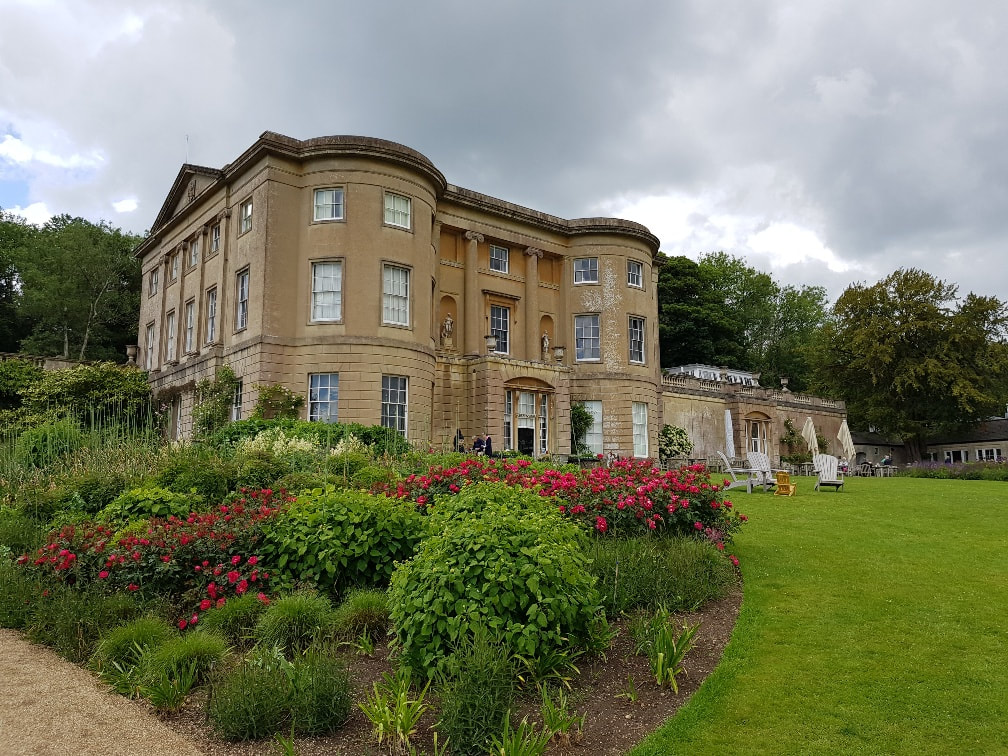
On Thursday 31 May 2022, a group of 17 Questers undertook a visit to The American Museum at Claverton Manor just outside Bath. This museum is said to be the only museum of Americana outside of the USA. It was opened to the public in 1961 and its purpose is to bring American history and cultures to the people of United Kingdom and Europe. It focuses on the period from the 14th to the 20th centuries.

Transportation to the site was provided by a minibus hired from Unity in Andover, arranged and ably driven by Robert Kemp. We had a full minibus of Robert plus 16 passengers. We even had a short waiting list of interested members who unfortunately couldn’t be accommodated this time.

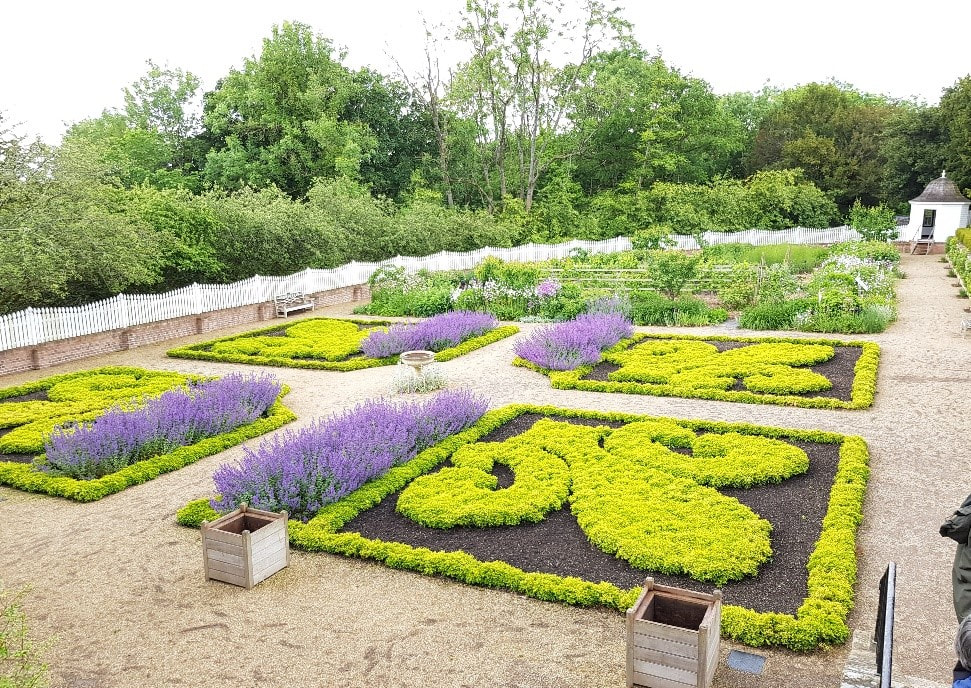
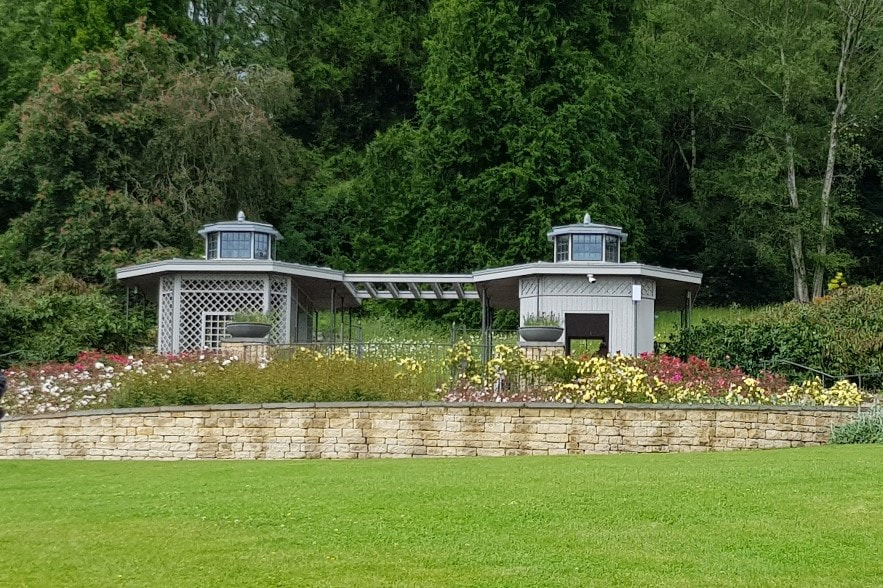
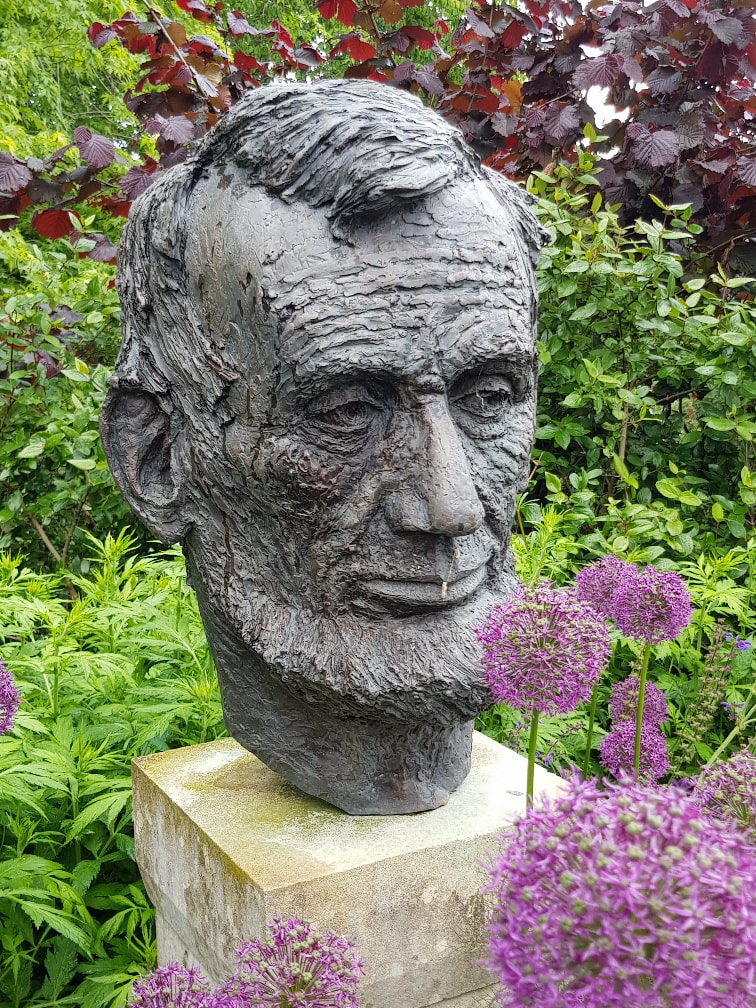
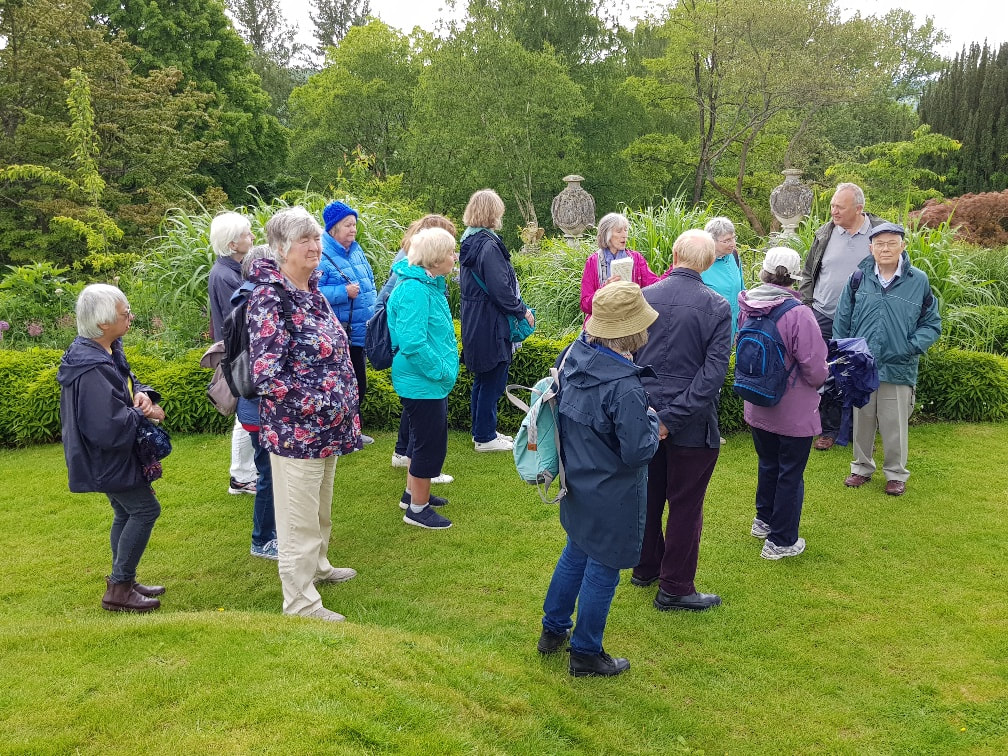
After a warm welcome by the head of Reception, members had a short period to enjoy a cup of tea/coffee at their on-site Café. We then went of a 45-minute guided tour of the gardens adjacent to the manor house. The tour guide, volunteer Rosemary, gave us a most informative narrative of the background to the development of the gardens and an introduction to the many American plants and trees displayed in it. The tour was briefly interrupted by a short rain shower but fortunately we could resume the tour soon afterwards. One small part of the garden incorporates a reduced size replica of the gardens at George Washington’s home Mount Vernon. There are also a number of head-and-shoulder sculptures of famous American persons as well as Sir Winston Churchill located along one of the pathways.

Members were then free to have lunch and start their own tours of the museum in the manor house as well as the special exhibit entitled ‘Dress to Redress’ – Exploring Native American Material Culture. The on-site Garden Café offered a wide variety of snacks, light meals and hot and cold drinks at very reasonable prices. This was well supported and appreciated by our group.

The museum turned out to offer a very wide selection of artefacts and displays covering the development of the United States from its very beginning. There was a very well-illustrated history of the evolution of the country from its very early colonial days. Displays also covered the two primary conflicts during those early years of the War of Independence and the Civil War. The conflicts and sometimes poor treatment of the Native American peoples was also covered with reasonable sensitivity.

There were several rooms in the manor house that have been laid out with authentic period displays using internal panelling brought from genuine American period homes as well as appropriate furniture so that one moves into the actual room environments that reflected various types of housing common to various parts of the States. There was also on display a selection of the museum’s huge collection of American quilts.

The general reaction of most members was that the museum offered a much more varied display of the history of the USA through artifacts and information than had been expected. It was infinitely more than a display of American quilts and stitch craft items as was thought to be its main focus. The visit therefore proved to be highly informative and very enjoyable.

Cecil Rose