Questers’ Walking Tour of Salisbury

This was another very successful sell-out visit for the Questers Group, who once again enjoyed hearing our Blue Badge Guide David Richards share some of his comprehensive knowledge about the city he so clearly loves. This new tour was entitled ‘Wizards, Witches and Wiltshire Folklore’ and explored the history of each of these subjects, commencing from the very start of the city construction around 1220, with the cathedral following on a year later utilising stone originating from the old Norman building at Old Sarum.

The Bishops had complete control within the confines of the new city, and it was no surprise to learn that severity of life varied over the years according to which Bishop held office. There was common belief in the supernatural combined with sorcery and witchcraft which culminated during the 16th and 17th centuries with the hanging of 5 so called witches. Many lesser sentences were handed out at the same period with up to 3 days in the pillory, which was a far more unpleasant experience than many imagine, and often resulting in broken bones from heavy stoning. The courts also issued many lashing sentences. We passed by some of the places where the ‘witches’ lived and the sites of long gone courts.

Because perceived medical wisdom was limited to activities which were painful, ineffective and expensive; local knowledge of herbal remedies became increasingly valuable and if a person lived long enough, they gained more knowledge of these remedies. Therefore it is not surprising that the church sometimes felt threatened by these practitioners and did nothing to prevent their persecution.

Some old and often incredible beliefs and wise sayings were explained which gave us some idea of the darker side of medieval life and which forms the basis for some folklore, no doubt still repeated in the more remote areas of the county. There are many ley lines in the area, and close to the cathedral we passed over one. To prove it, David produced a couple of dowsing rods and we watched them twitch and converge at the line. Having watched him, we were given the opportunity of trying a little dowsing for ourselves, and most of us succeeded! David Rogers was in his usual sparkling form and he provided a most entertaining and informative illustrated walk. The visit ended with an enjoyable snack at a nearby pub.
Norma Bryan
Questers’ Visit to Bombay Sapphire Distillery

Click Image for enlarged image

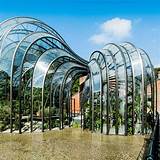
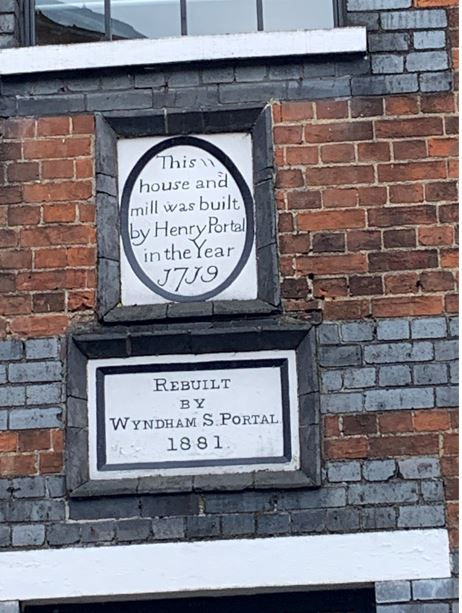
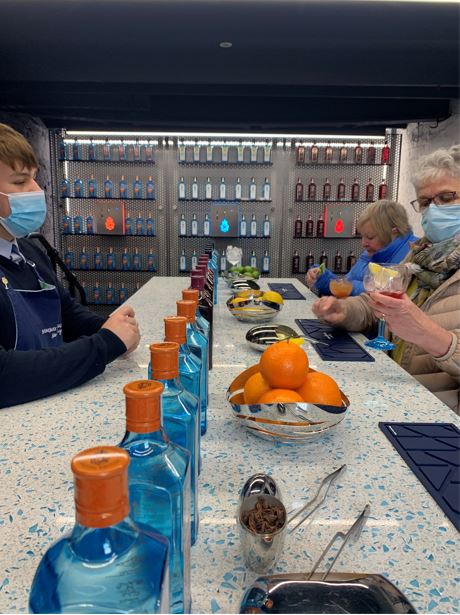
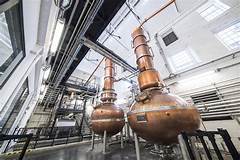
On the last day of March a small group of Questers met at the Bombay Sapphire distillery at Laverstoke on the site of a mill noted in the Domesday book. We were met by our knowledgeable guide who gave us a brief history of the large site and how many of the old buildings had been adapted for modern use. For 200 years this complex of brick buildings was owned by the Portals paper making business who produced bank notes for the British Empire and was subsequently sold to De La Rue who ceased production in 2018.
We were invited to make up our own G & T mix with plenty of ice and take a seat in the comfortable cinema to learn more about the distilling process.

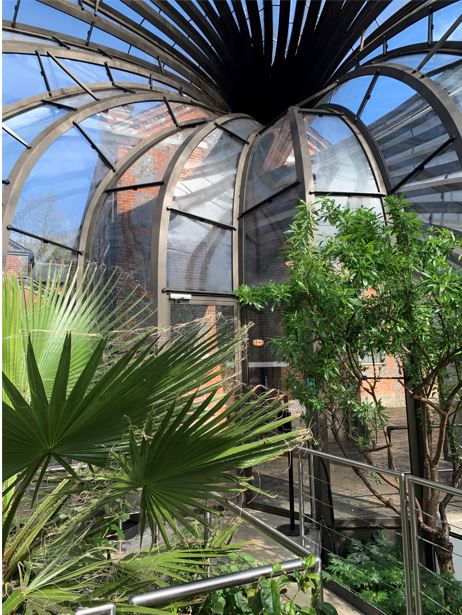
Dodging the sleet squalls, our guide took us into the glasshouses where some of the herbs and spices used in the distilling process are grown, the remainder coming from selected growers around the world.

We then had our opportunity of seeing and smelling the 10 “botanicals” with an explanation of how it is the vapour from the botanicals that makes the gin lighter and different from other varieties. The cost and noise of having a bottling plant at the Laverstoke site means the concentrated spirit is transported by road to Glasgow where the alcohol content is reduced before it is bottled in the distinctive blue rectangular bottles. In 1998 Bombay distillery was acquired by Bacardi and since then the visitor centre and other improvements have been made


AHA Group Visit to Montacute House, National Trust

Click image to see enlarged version

 
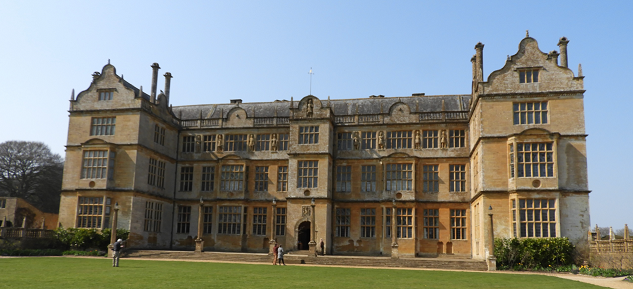
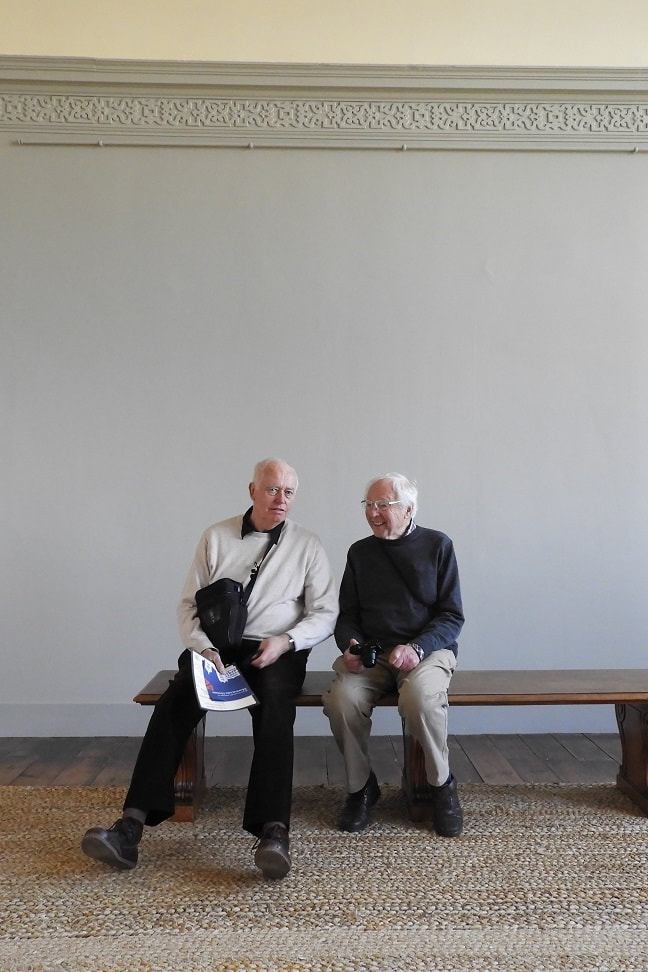
Once again, the AHA Group met up on Friday 25th March for a day visit to the above venue. Sadly, for the organisers it was disappointing as the turnout was poor, but in response to this, I would say you missed out on a glorious day in more ways than one. We had a very smooth run down to Montacute, in perfect spring sunshine and the countryside was so inviting.
We met up at the café courtyard for coffee and to finalise our plan for the day, accommodating everyone’s needs. We started off with a self-lead tour of the house, but there was enough trained staff on hand to answer any of our questions. We broke off from the inside of the house to join a guide outside, who walked us around the property to explain the architecture and the various changes that has taken place over the years.

This guide was very knowledgeable, amusing and kept it interesting*. At this juncture, it was a good time to take lunch, again basking in the warm spring sun in the courtyard.
*Originally, advised no guide would be available.
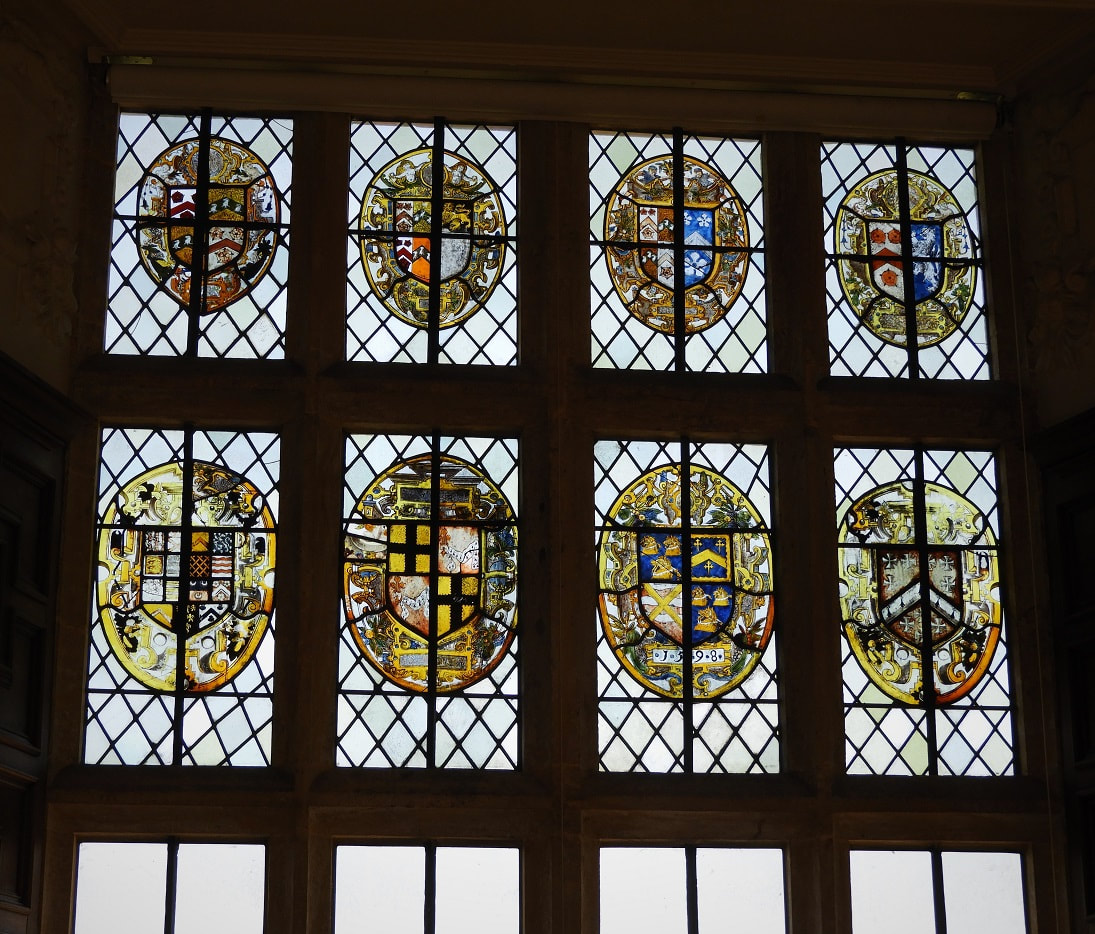
We then returned to complete our interior tour of the house. The house was built c. 1598 by Sir Edward Phelips a wealthy lawyer and an influential member of Elizabeth I’s Parliament. As the Speaker of the House of Commons, he was involved in the trial of Guy Fawkes and the Gunpowder Plotters.
The house was built of the same golden Ham Stones as nearby Tintinhull House, it remained in the Phelips family until 1911 and became the property of the National Trust in 1931. The Tudor west front went under a major change in 1786, as at this time to get around the house, you had to go from room to room. A local property known as Clifton Maybank House was being demolished and Phelips purchased the material and it removed stone by stone and was transported across to Montacute. The main entrance was then changed from long East drive to the West, making a shorter drive coming direct from the village.
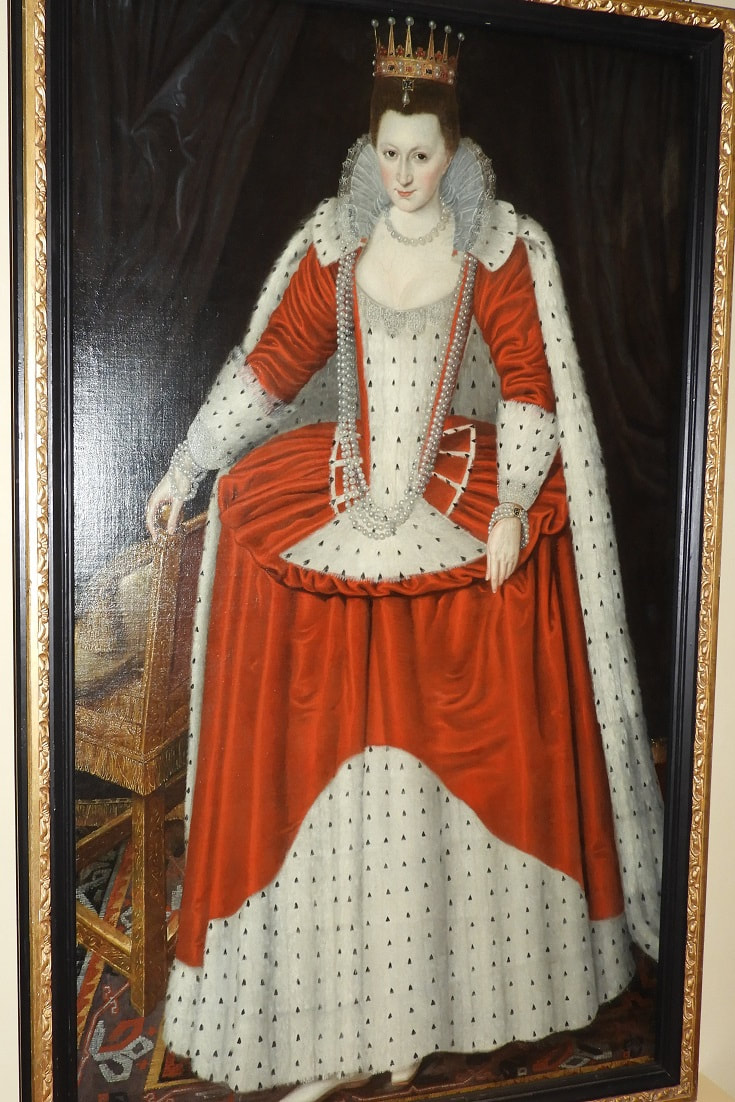
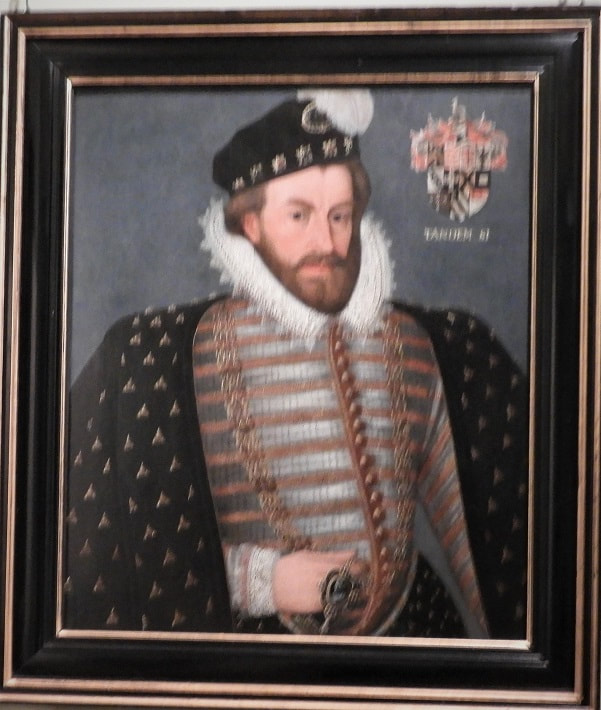
Montacute House has at 172ft the longest Gallery in the UK, which now contains a very interesting exhibition by the National Portrait Gallery. The house has one unique facility, which is a plumbed-in bath, installed in the 1920, housed in a cupboard! The house has a wealth of interesting artwork, mainly portraits of the associated family of the Phelips and their association with Royalty.
Around 4pm it was agreed that we all were beginning to feel a little weary both physically and mentally in a nice way, that we would make our way back home, but to go a scenic route through the delightful countryside. In fact, we all believed that we had touched on an interesting new territory. As usual, we had planned to have dinner somewhere on our homeward route. However, not knowing the region well, we opted to keep it fairly local to us all and dined at the Three Cups, Stockbridge. We had an excellent meal and returned to Mike and Pam’s for coffee, thank you both for your hospitality.
A great day had by all, enhanced by the marvellous weather!
Rosemary Crumplin-Clark – AHA Co-ordinator

Please note:- April 22nd visit is to Laycock Abbey, Church & more !!!!
fox