
This book is set in England in 1643, and is based on actual events. Puritanical fervour has gripped the nation and in Manningtree in Essex, a town depleted of men since the wars began, the hot terror of damnation burns in the hearts of women left.
Rebecca West, fatherless and husbandless, chafes against the drudgery of her days, livened only occasionally by her infatuation with the handsome young clerk John Edes. But then a newcomer, Matthew Hopkins, arrives, who begins to ask questions about what the women on the margins of this diminished community are up to. Dangerous rumours of covens, pacts, and bodily wants have begun to hang over women like Rebecca–and the future is as frightening as it is thrilling.
Members Reviews:
J – Some of the characters in the book did exist and some had their names changed. As the story began I struggled with the initial language used and didn’t get into it until at least a third of the way through (nearly giving up after the first few chapters). The background of puritanical Essex / Suffolk in the mid 1600’s was described well and you felt for the women and their torrid lives. It also depicted the power of men and the fear in the communities of witches with even the powerful Matthew succumbing to consumption even though his diet and living standards would have been better than those around him. Rebecca was well depicted but also vulnerable but eventually escaped to look for a better life after the demise of Matthew.
My feeling was that the book was too long and I found myself skipping large chunks of the text particularly as the story started to plod along.
L – I think the narrative gives us an insight into the era it’s set but can be a bit slow to read.
A – A well written book which provided some deeper insight into the background to the whole issue of witchcraft. A host of circumstances, war, famine, disease etc. exacerbated by religion and superstition, meant that as usual someone must be to blame, who better than a group of (mostly) single women with often different ideas!
Although not a subject that particularly interests me, I felt that this novel did a good job of increasing my understanding of witchcraft and it’s origins.
L – I read this book hoping to gain an insight to the workings of the trials of the time, I was exceedingly disappointed. Television programmes supplied more information and background. Although a ‘modern” publication I thought it was lacking in detailed information, somewhat superficial. How much research was carried out by the author?
I found it difficult to read as it appeared to be written in a style of language trying to be that of the time, this was not always successful.
![A Long Walk Home: One Woman's Story of Kidnap, Hostage, Loss - and Survival by [Judith Tebbutt]](https://m.media-amazon.com/images/I/514TML7R1uL.jpg) In September 2011 Judith Tebbutt and her husband David set out on an adventurous holiday to Kenya. A couple for thirty-three years, they had first met in Zambia: Africa had played a major part in their life together. After a joyous week on safari in the Masai Mara, they flew on to a beach resort forty kilometres south of Somalia. And there, in the early hours of 11 September, tragedy struck them.
In September 2011 Judith Tebbutt and her husband David set out on an adventurous holiday to Kenya. A couple for thirty-three years, they had first met in Zambia: Africa had played a major part in their life together. After a joyous week on safari in the Masai Mara, they flew on to a beach resort forty kilometres south of Somalia. And there, in the early hours of 11 September, tragedy struck them.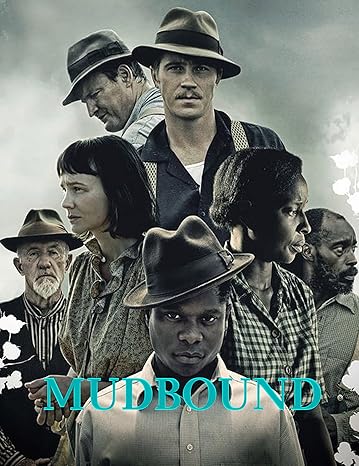 When Henry McAllan moves his city-bred wife, Laura, to a cotton farm in the Mississippi Delta in 1946, she finds herself in a place both foreign and frightening. Henry’s love of rural life is not shared by Laura, who struggles to raise their two young children in an isolated shotgun shack under the eye of her hateful, racist father-in-law. When it rains, the waters rise up and swallow the bridge to town, stranding the family in a sea of mud.